Retrieval-Augmented Generation, commonly called RAG, is an artificial intelligence framework that combines the power of large language models with external knowledge sources to generate more accurate, relevant, and up-to-date responses.
Instead of relying only on information learned during training, a RAG system retrieves data from documents, databases, websites, or enterprise knowledge bases in real time and uses that information to create context-aware answers.
RAG works in three main steps:
- Retrieval — The system searches relevant documents or data sources based on the user’s query.
- Augmentation — The retrieved information is added as context for the AI model.
- Generation — The language model generates a response using both its training knowledge and the retrieved content.
This approach improves factual accuracy, reduces hallucinations, and enables AI applications to work with private or constantly changing data. RAG is widely used in chatbots, enterprise search, customer support automation, document assistants, healthcare systems, and knowledge management platforms.
Benefits of RAG
- Delivers more accurate and trustworthy responses
- Accesses real-time and domain-specific information
- Reduces misinformation and hallucinations
- Improves scalability for enterprise AI applications
- Enables personalized and context-aware interactions
Common Use Cases
- AI-powered customer support
- Internal company knowledge assistants
- Legal and medical document search
- E-commerce recommendation systems
- Research and educational tools
RAG has become a foundational technique in modern generative AI because it bridges the gap between static language models and dynamic real-world information.
Types of RAG (Retrieval-Augmented Generation)
Retrieval-Augmented Generation systems can be implemented in several ways depending on the complexity, data source, and application requirements. Below are the most common types of RAG used in modern AI applications.
𝗛𝘆𝗯𝗿𝗶𝗱 𝗥𝗔𝗚
Hybrid RAG is an advanced Retrieval-Augmented Generation approach that combines multiple retrieval techniques to improve the accuracy, relevance, and efficiency of AI-generated responses.
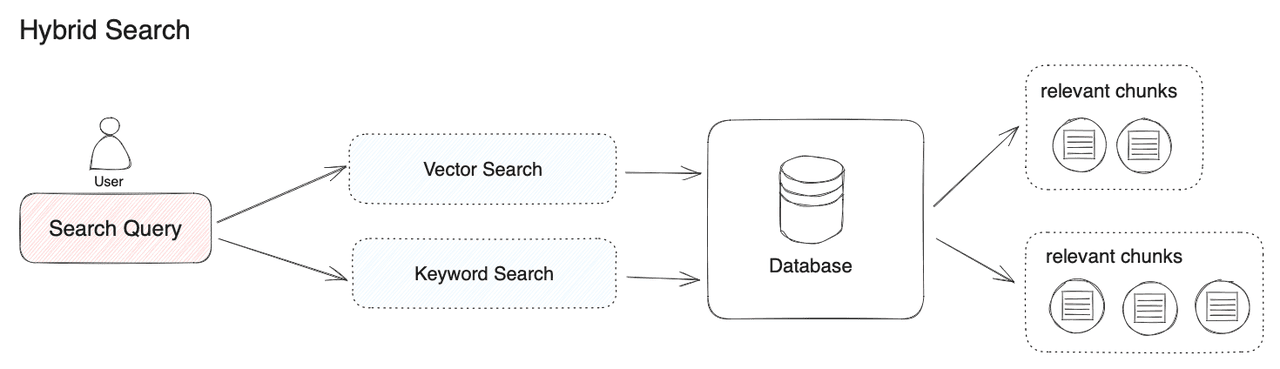
Main Components of Hybrid RAG
Keyword-Based Retrieval
- Finds exact word matches
- Useful for technical terms and precise queries
Vector-Based Retrieval
- Uses embeddings to understand semantic meaning
- Retrieves contextually similar information
Re-ranking Layer
- Filters and prioritizes the most relevant results
LLM Generation
- Generates responses using retrieved context
Benefits of Hybrid RAG
- Higher retrieval precision
- Better contextual understanding
- Improved factual accuracy
- Increased scalability
- More reliable AI outputs
Common Use Cases
- Enterprise AI chatbots
- Customer support assistants
- Legal document search
- Healthcare knowledge systems
- Research and analytics platforms
- AI-powered search engines
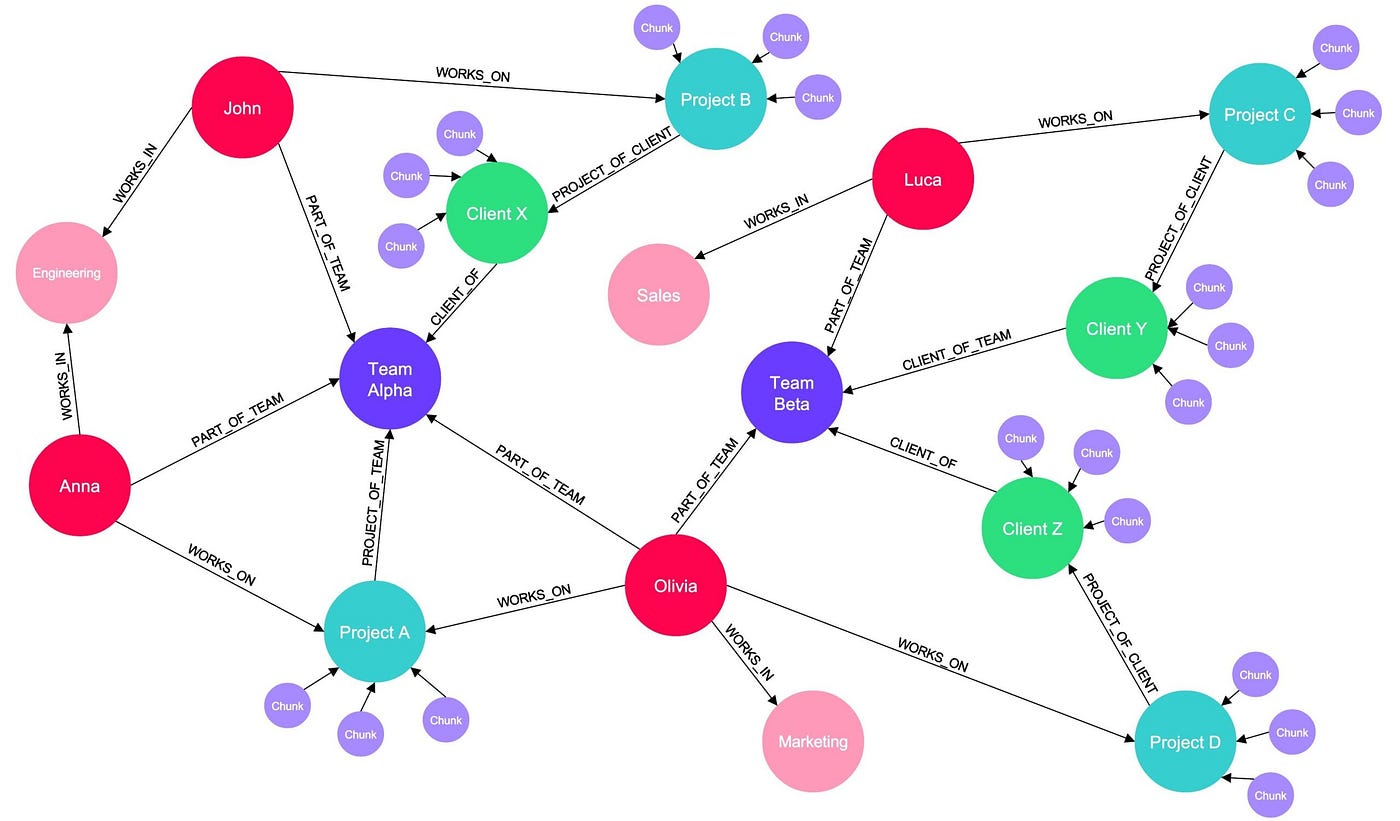
𝟬𝟮 𝗚𝗿𝗮𝗽𝗵𝗥𝗔𝗚
- Pull entities and their relationships into a knowledge graph.
- Retrieve subgraphs and community summaries, not chunks.
- Best when the answer lives in how things connect.
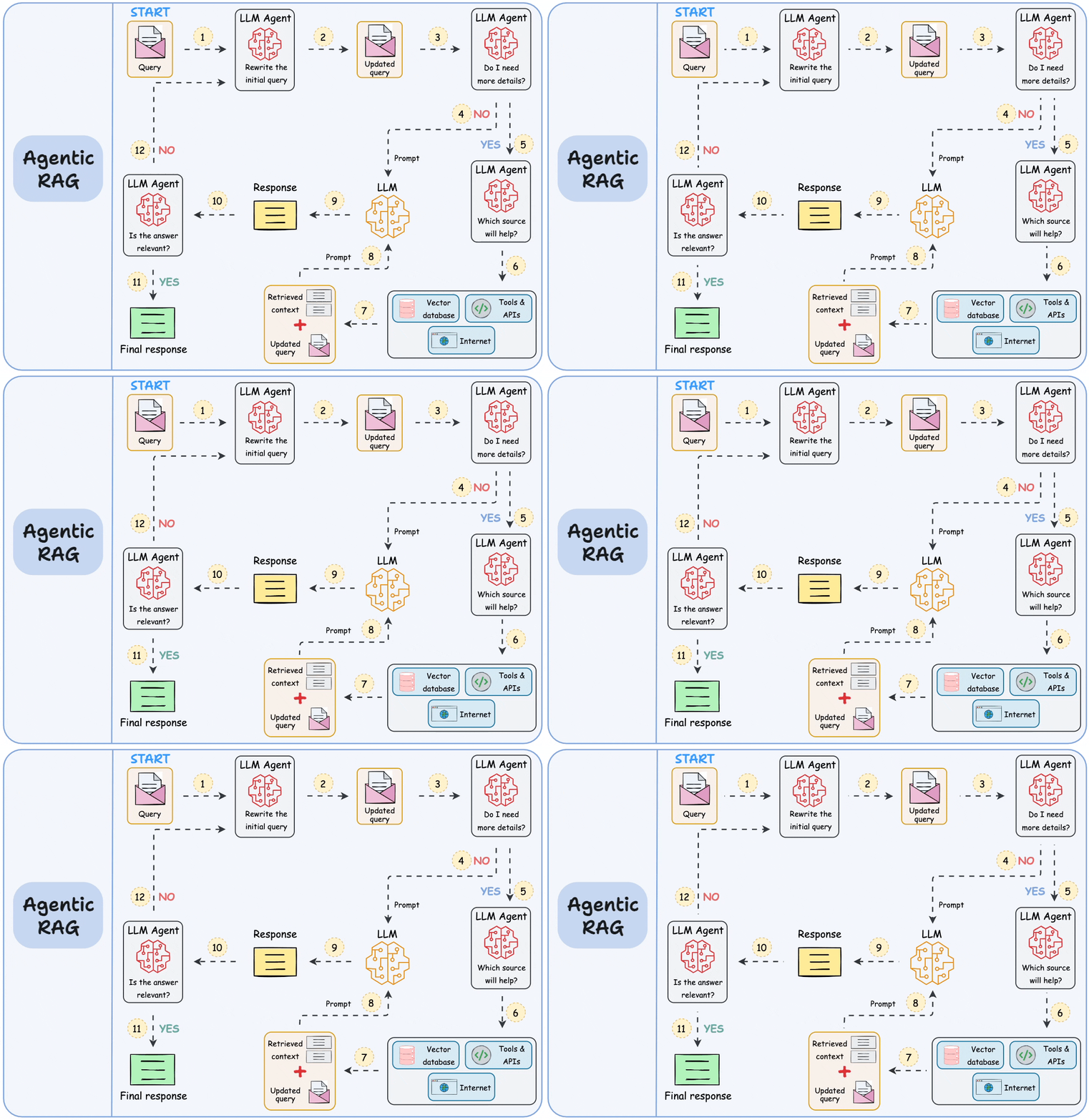
𝟬𝟯 𝗔𝗴𝗲𝗻𝘁𝗶𝗰 𝗥𝗔𝗚
- A planner agent picks the right tool: vector, web, or SQL.
- A reasoner agent keeps trying until the answer is solid.
- Retrieval becomes a plan, not a single step.
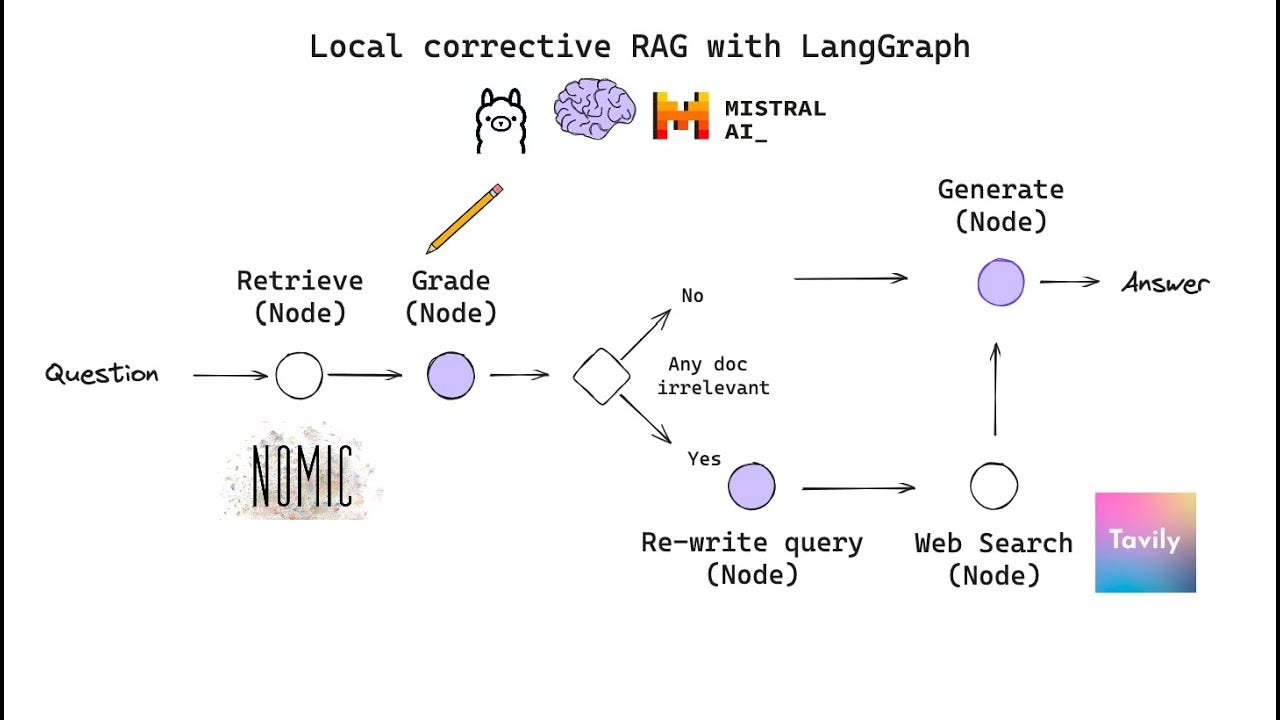
𝟬𝟰 𝗖𝗼𝗿𝗿𝗲𝗰𝘁𝗶𝘃𝗲 𝗥𝗔𝗚 (𝗖𝗥𝗔𝗚)
- Grade every retrieval before you trust it.
- → Correct → answer. Unclear → rewrite the query. Wrong → search the web.
- This is what production RAG actually looks like.
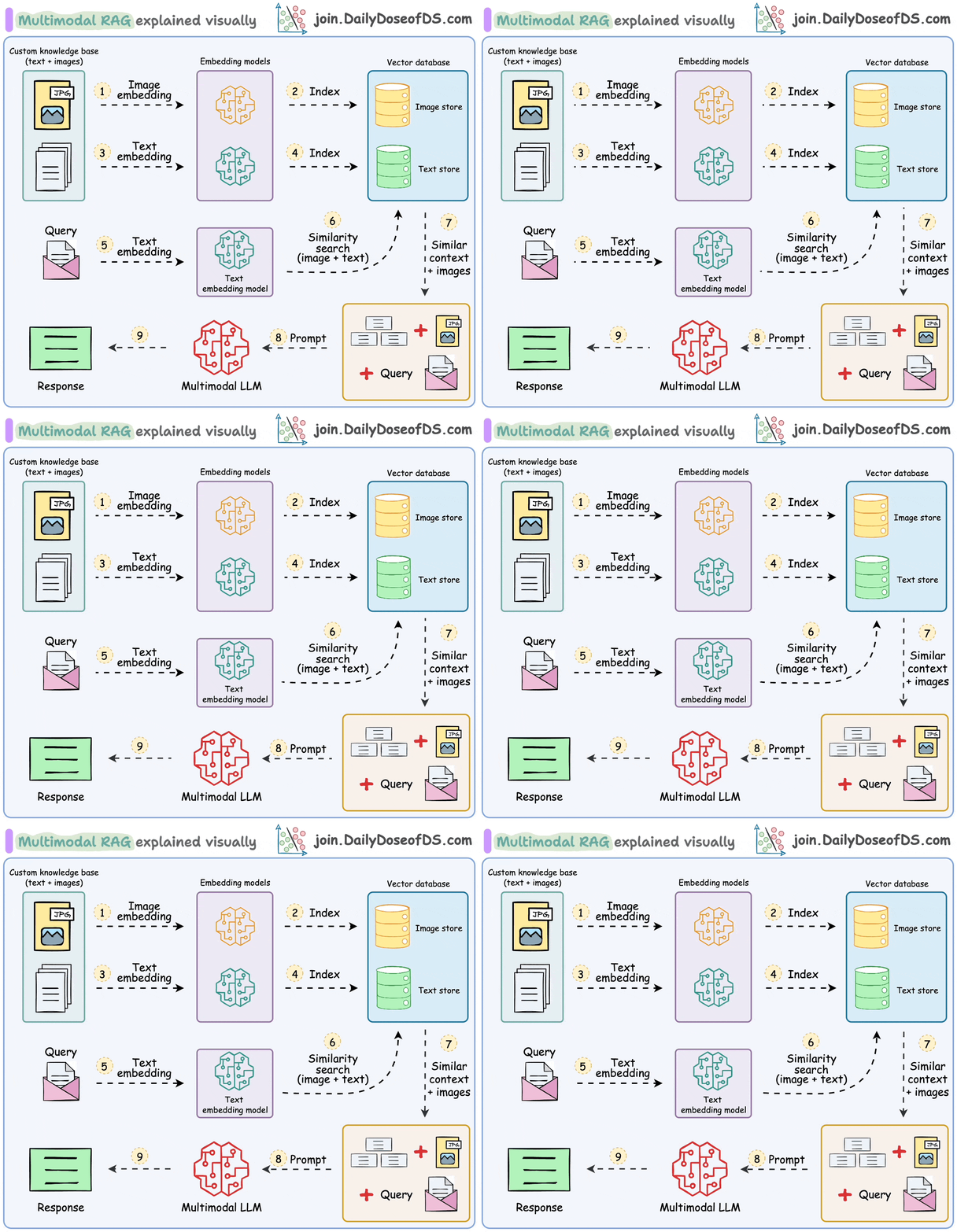
𝟬𝟱 𝗠𝘂𝗹𝘁𝗶𝗺𝗼𝗱𝗮𝗹 𝗥𝗔𝗚
- One embedding model (CLIP, ColPali) for text, images, and tables.
- One vector index. One multimodal LLM.